
Beginning with How to Tell if Your Home Needs Complete Siding and Gutters Replacement, this opening paragraph aims to captivate and engage readers, providing a glimpse into the importance of recognizing signs that indicate a necessary replacement for your home's siding and gutters.
The following section will delve deeper into common signs of damage, issues with gutters, the significance of proper siding and gutters, and how to inspect and assess these crucial elements of your home.
Signs of Damaged Siding
When it comes to the exterior of your home, the siding plays a crucial role in protecting it from the elements. Recognizing the signs of damaged siding is essential to maintain the integrity of your home and prevent further issues.
Common Signs of Damaged Siding:
- Cracks: Small cracks in the siding can allow moisture to seep in, leading to water damage and mold growth.
- Peeling Paint: If you notice paint peeling off the siding, it could be a sign of underlying issues such as water infiltration.
- Rotting Wood: Soft or decaying areas on the siding indicate wood rot, which compromises the structural stability of your home.
- Mold Growth: The presence of mold or mildew on the siding is a clear indication of excessive moisture and poor ventilation.
Severe Damage Examples:
In some cases, the damage to your siding may be severe and require immediate attention. This includes:
- Large Holes: Holes in the siding expose your home to pests, water, and other elements, causing further damage.
- Buckling or Warping: Siding that is visibly warped or buckled indicates serious structural issues that need to be addressed promptly.
- Fungus Growth: Fungus growing on the siding signifies prolonged exposure to moisture, which can lead to extensive damage if not resolved.
Indications of Gutter Problems
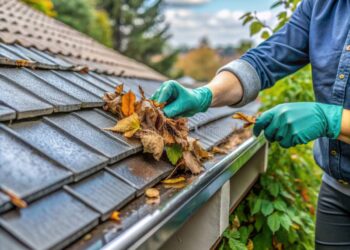
 Gutters play a crucial role in directing rainwater away from your home, preventing water damage to the foundation, walls, and roof. When gutters are not functioning properly, it can lead to various issues that can compromise the integrity of your home.Some common indications of gutter problems include clogging, sagging, and leaking. Clogging occurs when leaves, twigs, and debris block the flow of water through the gutters. This can lead to water overflow, which may cause damage to the siding, foundation, and landscaping. Sagging gutters are often a result of poor installation or structural damage, causing water to pool instead of draining properly. Leaking gutters can result from rust, corrosion, or holes in the gutter system, leading to water seepage and potential water damage.
Clogging
- Leaves, twigs, and debris blocking the flow of water
- Water overflow causing damage to siding, foundation, and landscaping
Sagging
- Poor installation or structural damage causing gutters to sag
- Water pooling instead of draining properly
Leaking
- Rust, corrosion, or holes in the gutter system leading to water seepage
- Potential water damage to the home if not addressed
Importance of Proper Siding and Gutters
Proper siding and gutters play a crucial role in maintaining the integrity and protection of your home. They serve as the first line of defense against the elements and potential damage.
Role of Siding
Siding acts as a shield, protecting your home from rain, wind, snow, and pests. It helps to maintain the structural integrity of the building and contributes to its overall aesthetic appeal.
Role of Gutters
Gutters are essential for directing water away from the foundation of your home. By channeling rainwater away from the property, gutters prevent water damage, erosion, and potential flooding in basements or crawl spaces.
Consequences of Ignoring Issues
Ignoring problems with siding and gutters can lead to significant consequences. Damaged siding can result in water infiltration, mold growth, and decreased energy efficiency. Clogged or malfunctioning gutters can cause water to pool around the foundation, leading to cracks, leaks, and structural damage over time.
Inspection and Assessment
Inspecting your siding and gutters is crucial to determine if they need replacement. Here is a step-by-step guide on how to assess the condition of your home's exterior.
Inspecting Siding
When assessing your siding, check for the following:
- Cracks, warping, or peeling paint
- Mold, mildew, or water stains
- Rot or decay
- Loose or missing panels
Assessing Gutters
During the gutter inspection, pay attention to the following signs of damage:
- Sagging or pulling away from the house
- Rust or corrosion
- Clogs or debris buildup
- Leaking or overflowing water
Professional Evaluation
It is recommended to hire professionals to evaluate the condition of your siding and gutters. They use specialized tools and expertise to identify hidden issues and provide an accurate assessment. Professionals can also offer recommendations for repairs or replacement based on their assessment.
Closing Notes
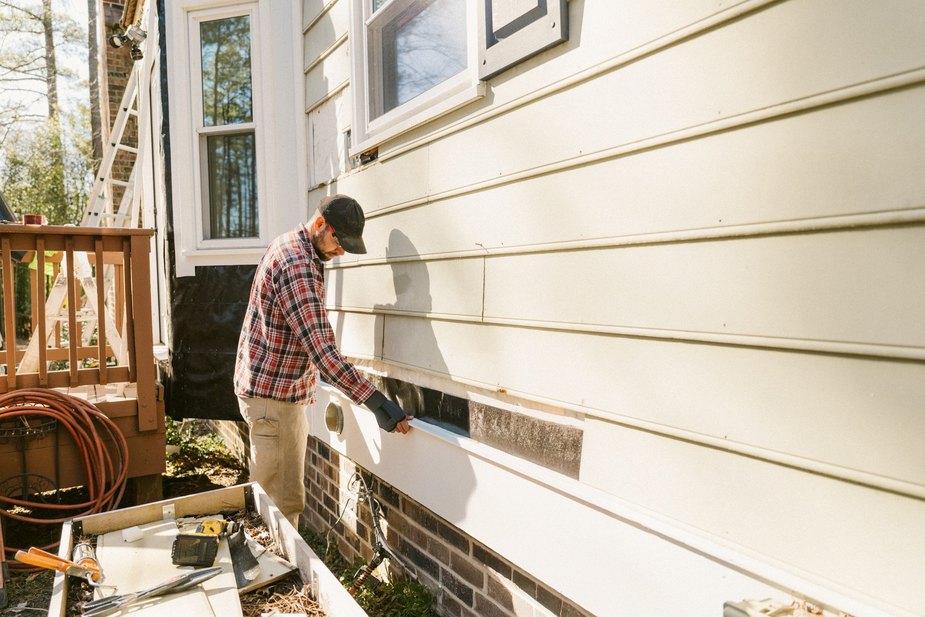
In conclusion, understanding the signs that signal the need for complete siding and gutters replacement is essential for maintaining the integrity and protection of your home. By being proactive and addressing these issues promptly, you can ensure a safe and secure living environment for years to come.
FAQs
What are some common signs of damaged siding?
Common signs include cracks, peeling paint, rotting wood, and mold growth.
How do gutter problems impact the integrity of a home?
Gutter issues like clogging, sagging, or leaking can lead to water damage, affecting the foundation and structure of the home.
Why is it important to have proper siding and gutters?
Siding protects the home from elements like rain and pests, while gutters divert water away from the foundation, preventing water damage. Neglecting these can result in costly repairs.
How do professionals evaluate the condition of siding and gutters?
Professionals inspect for signs of damage, assess the overall integrity, and provide recommendations for repair or replacement based on their findings.