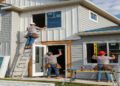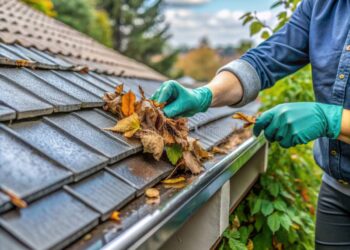

Embark on a journey through the essential steps of preparing your home for roofing and siding installations near you. Discover the importance of proper planning and evaluation before undertaking these crucial projects.
Explore the key factors that can make a significant impact on the success of your roofing and siding endeavors.
Importance of Preparing for Roofing and Siding Installations
Before embarking on roofing and siding installations, it is essential to adequately prepare your home to ensure a smooth and successful process. Proper preparation can make a significant difference in the outcome of these projects, both in terms of quality and efficiency.
Minimizing Risks through Preparation
Failure to prepare your home for roofing and siding installations can lead to various risks and challenges that may impact the overall success of the project. Some potential risks include:
- Water damage: Inadequate preparation can leave your home vulnerable to water leaks and damage during the installation process.
- Structural issues: Without proper preparation, existing structural issues may be overlooked, leading to complications during the installation.
- Delays and additional costs: Lack of preparation can result in unexpected delays and additional costs as contractors may encounter unforeseen challenges.
Impact of Proper Preparation
On the other hand, when you take the time to prepare your home for roofing and siding installations, you can experience several benefits that contribute to the success of the project:
- Improved safety: Proper preparation ensures a safe working environment for contractors and minimizes the risk of accidents during the installation process.
- Enhanced durability: By addressing any underlying issues before installation, you can improve the longevity and durability of your new roofing and siding.
- Efficient installation: When your home is properly prepared, contractors can work more efficiently, leading to a smoother and faster installation process.
Assessing the Condition of Your Roof and Siding
Before proceeding with any roofing or siding installations, it is crucial to assess the current condition of your roof and siding to determine if any repairs or replacements are necessary.
Evaluating the Roof and Siding
When assessing the condition of your roof and siding, consider the following steps:
- Inspect for missing, cracked, or curling shingles on the roof.
- Check for signs of water damage, such as leaks or water stains on the ceiling.
- Look for mold, mildew, or rot on the siding.
- Examine the condition of the paint or finish on the siding.
- Assess the overall structural integrity of the roof and siding.
Signs of Roof or Siding Issues
There are several signs that indicate your roof or siding may need repair or replacement:
Water leaks or stains on the ceiling
Mold, mildew, or rot on the siding
Missing, cracked, or curling shingles on the roof
Increasing energy bills due to poor insulation
Importance of Professional Inspection
If you notice any of these signs or are unsure about the condition of your roof and siding, it is important to hire a professional to inspect them. A professional inspector can provide a detailed assessment and recommend the necessary repairs or replacements to ensure the longevity and safety of your home.
Finding Reliable Contractors Near You
Finding a reliable contractor for your roofing and siding project is crucial to ensure a successful and stress-free installation process. Here are some tips on how to search for and select reputable contractors in your local area.Checking Licenses, Insurance, and References
Before hiring a contractor, it is essential to check their licenses, insurance coverage, and references. This step helps to verify the legitimacy and credibility of the contractor, ensuring that they meet the necessary requirements to perform the job.- Verify the contractor's license: Make sure that the contractor holds the appropriate licenses required by your state or local jurisdiction. A licensed contractor is more likely to adhere to industry standards and regulations.
- Check insurance coverage: Ensure that the contractor has liability insurance and workers' compensation coverage. This protects you from any liability in case of accidents or damages that may occur during the project.
- Request references: Ask the contractor for references from previous clients. Contact these references to inquire about their experience working with the contractor and the quality of the work performed.
Verifying Credibility and Reliability
In addition to checking licenses, insurance, and references, there are other ways to verify the credibility and reliability of contractors before making a decision.Look for online reviews and ratings: Check online platforms such as Google, Yelp, or Angie's List for reviews and ratings of the contractor. This feedback from previous clients can give you valuable insights into the contractor's reputation and the quality of their work.
- Ask for a written estimate: A reputable contractor will provide you with a detailed written estimate outlining the scope of work, materials to be used, and the cost breakdown. Avoid contractors who give vague estimates or ask for full payment upfront.
- Visit ongoing or completed projects: If possible, visit some of the contractor's ongoing or completed projects to assess the quality of their work firsthand. This can help you gauge their level of expertise and professionalism.
Budgeting and Planning for Roofing and Siding Projects
When embarking on a roofing and siding project, budgeting and planning are essential steps to ensure a successful outcome. By carefully considering the key factors that influence costs, prioritizing different aspects of the project based on your budget, and planning the timeline effectively, you can set yourself up for a smooth and efficient construction process.Key Factors to Consider When Budgeting for Roofing and Siding Installations
- Material Costs: The type and quality of materials you choose will significantly impact the overall cost of the project.
- Labor Costs: Hiring skilled contractors will ensure a high-quality installation but can also add to the total expenses.
- Permit and Inspection Fees: Don't forget to account for any necessary permits or inspections required by local building codes.
- Contingency Fund: It's wise to set aside a contingency fund to cover any unexpected expenses that may arise during the project.
How to Prioritize Different Aspects of the Project Based on Your Budget
- Focus on Essential Repairs: If your budget is limited, prioritize essential repairs that address structural issues or prevent further damage.
- Choose Cost-Effective Materials: Opt for durable, cost-effective materials that fit within your budget without compromising quality.
- Consider Phased Approach: If the entire project exceeds your budget, consider breaking it down into phases to spread out costs over time.
Planning the Timeline for the Roofing and Siding Projects
- Consult with Contractors: Discuss the project timeline with your contractors to establish realistic deadlines and milestones.
- Account for Weather Conditions: Consider seasonal factors that may impact the construction process and plan accordingly.
- Coordinate Material Deliveries: Ensure that materials are delivered on time to avoid delays in the project timeline.
Preparing Your Home for Roofing and Siding Work
Before the installation of new roofing and siding begins, it is crucial for homeowners to prepare their homes to ensure a smooth and successful process. This preparation involves completing a checklist of tasks, clearing the work area, and communicating effectively with the contractors.Checklist of Tasks Before Installation
- Remove any obstacles or debris from the work area to provide clear access for the contractors.
- Trim any overhanging branches or vegetation near the roof and siding to prevent interference with the work.
- Secure or cover any outdoor furniture, plants, or decorations to protect them from potential damage during the project.
- Ensure proper ventilation in the attic to prevent heat and moisture buildup during the installation process.
Importance of Clearing the Work Area and Protecting Property
Clearing the work area of any obstructions is essential to ensure that the contractors can move freely and safely while working on your roof and siding. Protecting your property, such as outdoor furniture and plants, helps prevent damage and ensures that your belongings remain intact throughout the project.
Effective Communication with Contractors
- Discuss the project timeline and expected completion date with the contractors to set clear expectations.
- Address any concerns or questions you may have about the installation process upfront to avoid misunderstandings later on.
- Provide contact information and establish a preferred method of communication to stay in touch with the contractors throughout the project.
- Regularly communicate with the contractors to receive updates on the progress and address any issues promptly.
Last Recap
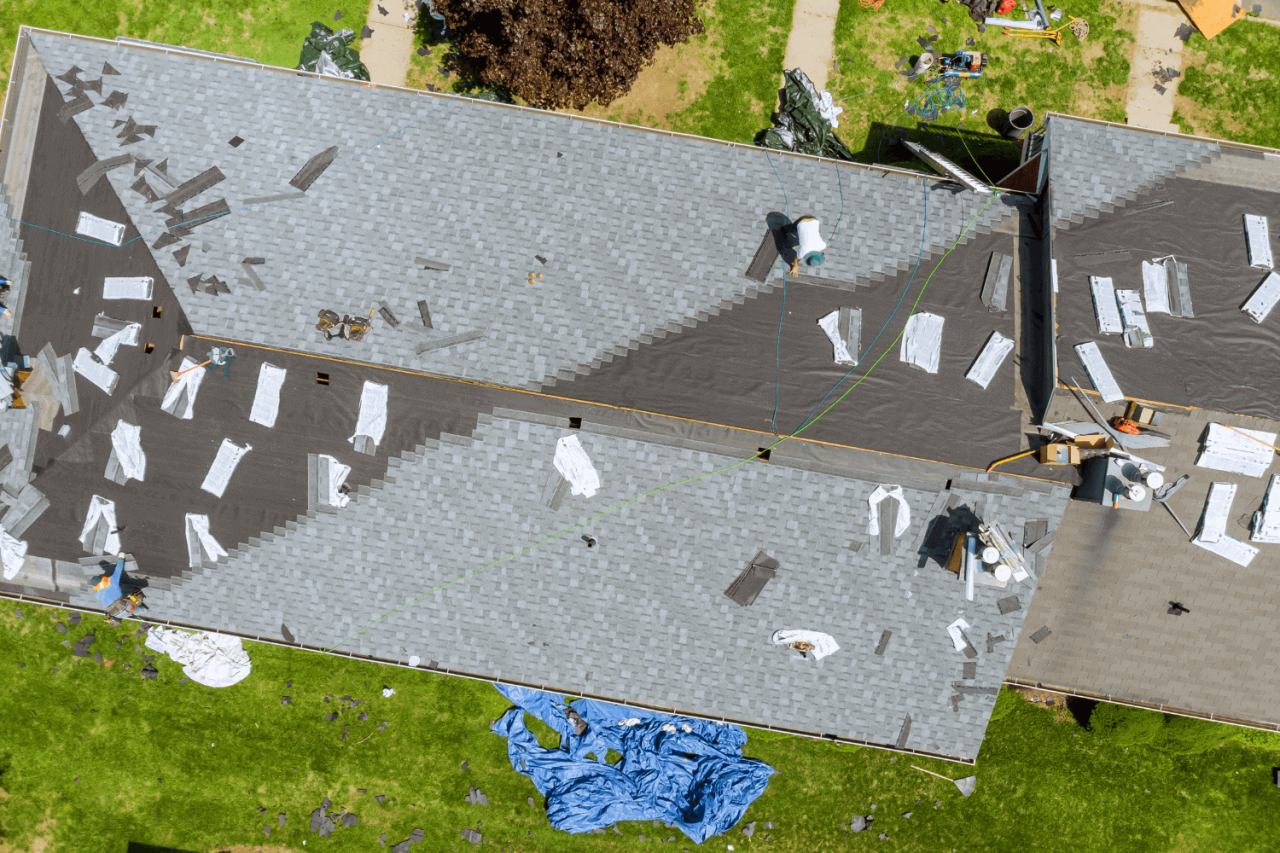
As we conclude this guide, remember that thorough preparation and careful consideration are the cornerstones of a successful roofing and siding project. By following the steps Artikeld here, you can ensure a smooth and efficient process, leading to a beautifully renovated home.
FAQ Overview
What are the risks of not preparing adequately for roofing and siding projects??
Failure to prepare properly can lead to delays, cost overruns, and potential damage to your property. It's crucial to plan ahead to avoid these issues.
How can I find reliable contractors for roofing and siding work in my area??
Research local contractors, check their credentials, ask for references, and ensure they have proper licensing and insurance before making a decision.
What tasks should homeowners complete before roofing and siding installations begin??
Tasks may include clearing the work area, protecting valuables, and ensuring good communication with contractors. Proper preparation is key.