
How Local Building Codes Affect Your Choice for Siding and Roofing Near Me sets the stage for this enthralling narrative, offering readers a glimpse into a story that is rich in detail with casual formal language style and brimming with originality from the outset.
The discussion will delve into the intricate relationship between local building codes and the selection of siding and roofing materials, shedding light on the crucial factors that influence these decisions.
How Local Building Codes Influence Siding and Roofing Choices
Local building codes play a crucial role in determining the materials that can be used for siding and roofing in different regions. These codes are put in place to ensure the safety, durability, and overall quality of buildings.
Examples of Specific Building Code Requirements
Building codes can vary significantly from one region to another, influencing the choice of siding and roofing materials. For instance, in areas prone to hurricanes or strong winds, building codes may require impact-resistant roofing materials to withstand severe weather conditions. In regions with high wildfire risk, codes may mandate the use of fire-resistant siding materials to reduce the risk of ignition.
Adherence to Local Building Codes
- Adherence to local building codes is essential to avoid legal issues and ensure the safety and structural integrity of a building.
- Consulting with local authorities or professionals can help homeowners and contractors understand the specific requirements in their area and choose the appropriate siding and roofing materials.
- Failure to comply with building codes can result in costly fines, delays in construction, and potential hazards to occupants.
Types of Siding and Roofing Materials Allowed by Local Building Codes
When it comes to choosing siding and roofing materials for your home, it's essential to consider what is allowed by local building codes. These codes are put in place to ensure the safety, durability, and overall quality of buildings in a specific area.Common Siding Materials Approved by Most Local Building Codes
- Vinyl: Vinyl siding is a popular choice due to its affordability, low maintenance, and versatility. It is commonly approved by local building codes for its durability and ease of installation.
- Fiber Cement: Fiber cement siding is known for its durability, resistance to fire and pests, and low maintenance requirements. Many building codes allow fiber cement siding due to its long-lasting properties.
- Wood: Wood siding gives a classic and natural look to a home. While some areas have restrictions on using wood siding due to fire concerns, it is still approved in many regions if properly treated and maintained.
Common Roofing Materials Approved by Most Local Building Codes
- Asphalt Shingles: Asphalt shingles are one of the most popular roofing materials due to their affordability and ease of installation. They are typically allowed by local building codes for residential homes.
- Metal: Metal roofing is known for its longevity, energy efficiency, and durability. Many building codes approve metal roofing for its ability to withstand harsh weather conditions.
- Clay or Concrete Tiles: Clay or concrete tiles are favored for their aesthetic appeal and durability. While heavier than other roofing materials, they are often approved by building codes in regions where they can support the weight.
It's important to check with your local building department to ensure that the siding and roofing materials you choose comply with the specific codes in your area.
Energy Efficiency Requirements and Their Impact on Siding and Roofing Choices
Local building codes often include energy efficiency standards that dictate the types of siding and roofing materials that can be used. These standards are put in place to promote sustainability and reduce energy consumption in homes.
Energy-Efficient Siding and Roofing Options
- One popular option for energy-efficient siding is insulated vinyl siding, which helps to improve the thermal performance of a home by reducing heat loss.
- Metal roofing is another energy-efficient choice that reflects sunlight, reducing the amount of heat absorbed by the home and lowering cooling costs.
- For roofing, cool roofs made of materials that reflect more sunlight and absorb less heat can also be a great option to meet energy efficiency requirements.
Long-Term Cost Savings
Choosing energy-efficient siding and roofing materials may have a higher upfront cost, but they can lead to significant long-term cost savings. By reducing energy consumption for heating and cooling, homeowners can see a decrease in their utility bills over time, offsetting the initial investment.
Safety Regulations and Siding/Roofing Installation Near Me
When it comes to siding and roofing installation, safety regulations play a crucial role in ensuring the protection of homeowners and the structural integrity of the property. Understanding the specific safety measures Artikeld in local building codes is essential for anyone considering a siding or roofing project. Additionally, hiring licensed professionals is key to guaranteeing a safe and compliant installation process.Safety Regulations for Siding and Roofing Installation
- Local building codes typically specify safety regulations related to ladder use, fall protection, and proper handling of construction materials.
- Roofing installation may require compliance with regulations for roof pitch, ventilation, and flashing to prevent water damage and ensure structural stability.
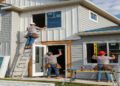
- Siding installation regulations often focus on proper anchoring, moisture barrier installation, and fire safety measures to protect the home and its occupants.
Key Safety Measures for Homeowners
- Choose siding and roofing materials that meet or exceed safety standards set by local building codes to ensure durability and longevity.
- Inspect the work site regularly to ensure safety protocols are being followed and address any safety concerns promptly.
- Communicate openly with the installation team to understand safety procedures and address any questions or concerns regarding the installation process.
Importance of Hiring Licensed Professionals
- Licensed professionals have the expertise and training to adhere to safety regulations and ensure a safe installation process.
- Professionals can identify potential safety hazards and take necessary precautions to mitigate risks during the installation of siding and roofing materials.
- Working with licensed professionals can provide homeowners with peace of mind knowing that their siding and roofing project is in compliance with local building codes and safety regulations.
Last Word
In conclusion, understanding how local building codes impact your choices for siding and roofing near you is essential in ensuring compliance, safety, and efficiency. By navigating through the complexities of these regulations, homeowners can make informed decisions that not only meet standards but also enhance the overall quality of their properties.
Essential FAQs
What are some common siding materials approved by local building codes?
Common siding materials approved by most local building codes include vinyl, wood, fiber cement, and metal. These materials offer a range of options to homeowners while ensuring compliance with regulations.
How do energy efficiency requirements influence siding and roofing choices according to local building codes?
Energy efficiency requirements Artikeld in local building codes often steer homeowners towards materials like insulated siding or cool roofing options. These choices not only meet regulations but also contribute to long-term cost savings and environmental benefits.
What safety regulations should homeowners consider when installing siding and roofing near them?
Homeowners should pay attention to safety measures such as proper anchoring, fire resistance, and wind resistance specified in local building codes. Hiring licensed professionals ensures that installations are done safely and in compliance with regulations.