

Delve into the world of architectural design by uncovering The Secret to Matching Your Siding and Gutters with Your Architectural Style. Discover how the perfect blend of materials can transform your home's exterior and elevate its curb appeal.
Explore the nuances of siding and gutter selection as they relate to different architectural styles, and gain valuable insights on how to create a cohesive and visually appealing look for your home.
Understanding Architectural Styles
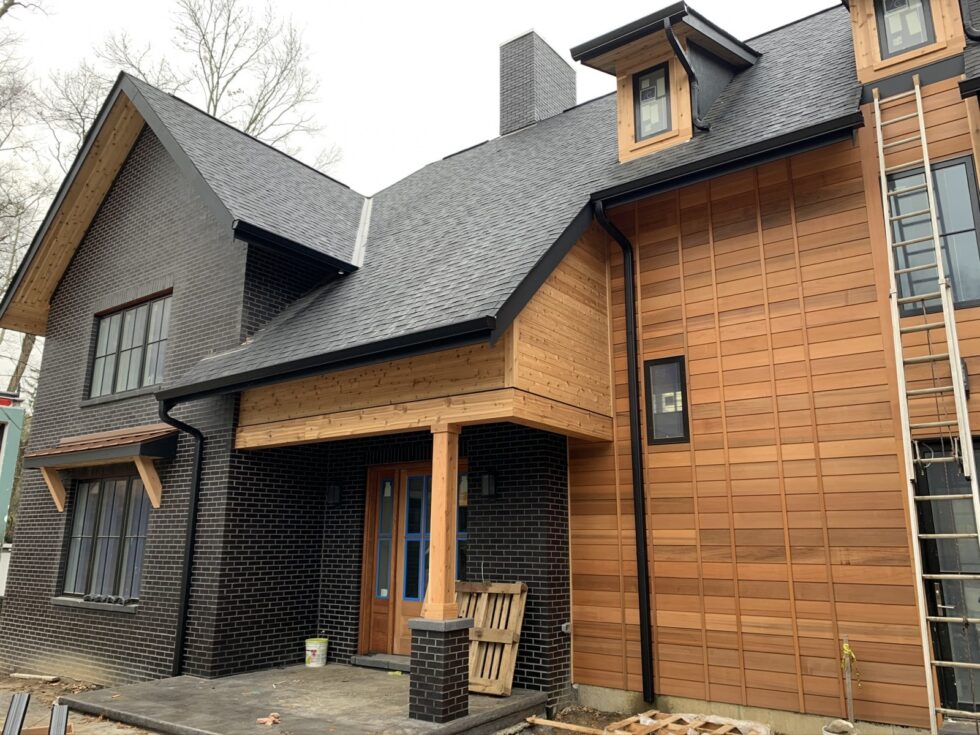
When it comes to homes, there are various architectural styles that influence the overall look and feel of a property. Understanding these styles is essential in selecting the right siding and gutter options that complement the design seamlessly.
Colonial Style
The Colonial style is characterized by symmetrical facades, rectangular shapes, and often features columns or pillars. This style typically calls for traditional siding materials like clapboard or shingles, along with simple gutter designs to maintain the classic appeal.
Craftsman Style
Craftsman homes are known for their low-pitched roofs, exposed rafters, and use of natural materials like wood and stone. Opting for earthy tones and textured siding, such as wood or stucco, can enhance the Craftsman aesthetic. Gutters with a rustic finish can complement this style perfectly.
Modern Style
Modern architecture focuses on clean lines, large windows, and minimalistic design elements. Smooth metal or composite siding in neutral colors often pairs well with this style, while sleek, seamless gutters help maintain the contemporary look.
Choosing Siding Materials
When it comes to choosing siding materials for your home, there are several options available in the market. Each type of material comes with its own set of pros and cons in terms of durability, aesthetics, and maintenance requirements. It's important to consider these factors when selecting the right siding material for your home.
Vinyl Siding
Vinyl siding is a popular choice for many homeowners due to its affordability and low maintenance requirements. It comes in a wide range of colors and styles, making it easy to find a look that complements your home's architectural style. However, vinyl siding may not be as durable as other materials and can crack or fade over time.
Wood Siding
Wood siding offers a timeless and natural look that can enhance the beauty of your home. It is a versatile material that can be painted or stained in various colors to match your architectural style. However, wood siding requires more maintenance, such as regular painting and sealing to protect it from the elements.
Fiber Cement Siding
Fiber cement siding is a durable and low-maintenance option that can mimic the look of wood or masonry. It is resistant to rot, fire, and pests, making it a long-lasting choice for homeowners. While fiber cement siding can be more expensive upfront, it often pays off in the long run with its durability and minimal maintenance requirements.
Brick Siding
Brick siding is a classic choice that adds a sense of elegance and sophistication to any home. It is a highly durable material that can last for decades with minimal maintenance. Brick siding comes in various colors and patterns, allowing you to find the perfect match for your architectural style. However, brick siding can be costly to install compared to other materials.
Selecting Gutter Styles
When it comes to selecting gutter styles for your home, it's important to consider not only functionality but also how they can complement the overall architectural design. Different gutter styles can have a significant impact on the aesthetic appeal of your home, so choosing the right one is crucial.K-Style Gutters
K-style gutters are one of the most popular choices for modern homes. They have a flat bottom and back, with a decorative front that mimics the look of crown molding. These gutters are versatile and can complement a wide range of architectural styles, from traditional to contemporary.Half-Round Gutters
Half-round gutters have a rounded bottom that gives them a classic, elegant look. These gutters are often found on historic or vintage homes, as they add a charming touch to the overall design. They work well with Victorian, Colonial, or Mediterranean architectural styles.Box Gutters
Box gutters are a more discreet option, as they are designed to be hidden within the roofline. They provide a clean and seamless appearance, making them ideal for minimalist or modern architectural designs. Box gutters are often custom-made to fit the specific dimensions of a home.Overall, the key to selecting the right gutter style is to choose one that complements the architectural style of your home. Whether you opt for the decorative K-style gutters, the classic half-round gutters, or the sleek box gutters, make sure they enhance the overall look of your home rather than detract from it.Coordinating Colors and Finishes
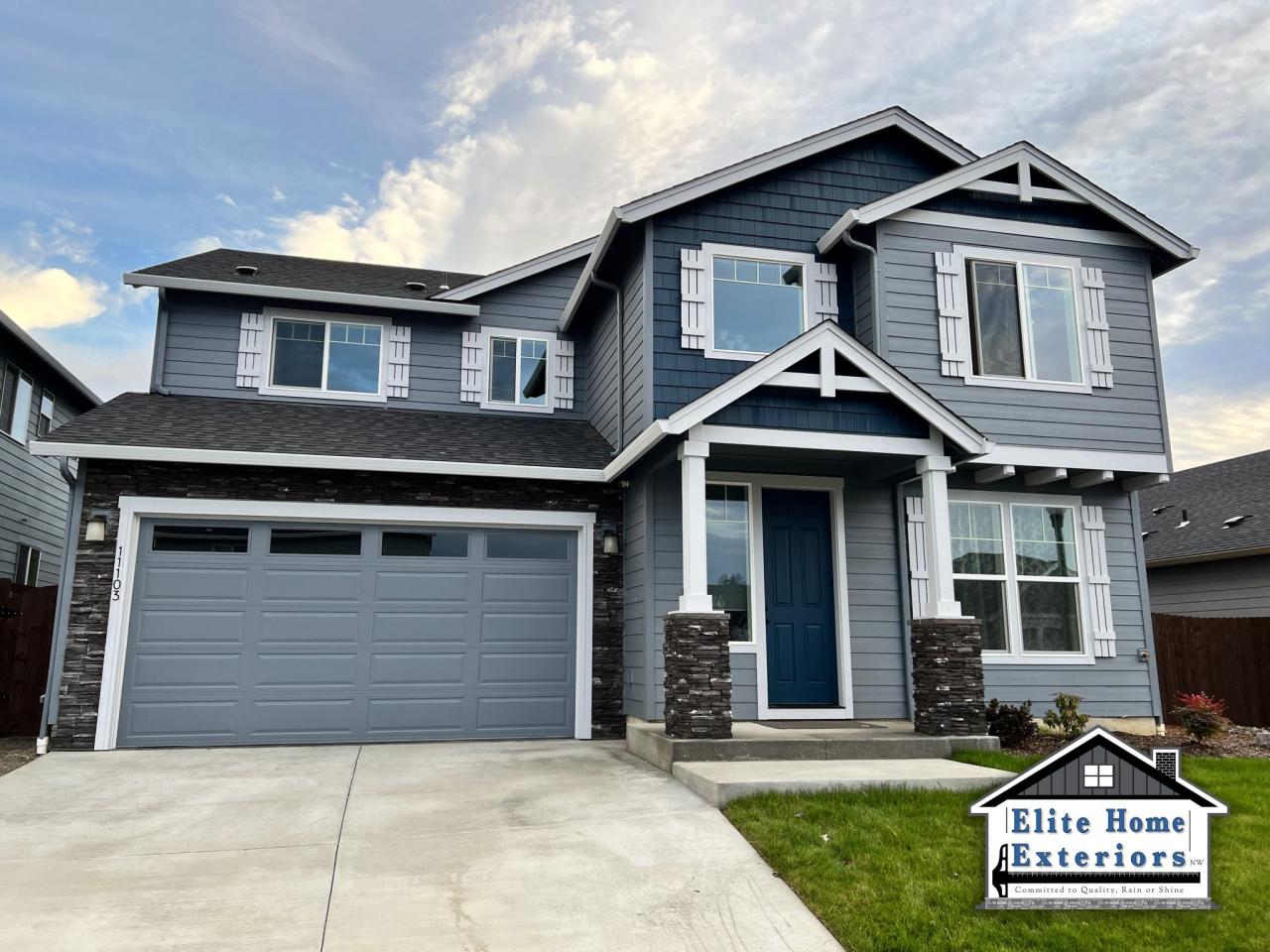
When it comes to coordinating colors and finishes for your siding and gutters, it's important to consider the overall aesthetic of your home and how different elements work together to create a cohesive look.
Color Schemes for Different Architectural Styles
Each architectural style has its own preferred color palette that can help enhance its unique features. For example, a modern home might look best with sleek, monochromatic colors like grays and whites, while a Victorian-style home could benefit from more vibrant hues like deep reds or rich blues.
Tips for Coordinating Siding and Gutter Colors
- Choose colors that complement each other rather than matching exactly. A subtle contrast can add visual interest to your home.
- Consider the surrounding landscape and the existing colors in your neighborhood to ensure your choices harmonize with the environment.
- Test out samples in different lighting conditions to see how they interact with natural light throughout the day.
- Don't forget to take into account the color of your roof and other exterior elements to create a balanced look.
Impact of Finishes on Aesthetics
Finishes like matte, gloss, or textured can greatly influence the overall appearance of your home. Matte finishes offer a more subtle and contemporary look, while gloss finishes can add a touch of sophistication. Textured finishes can create depth and visual interest, especially on siding materials like vinyl or fiber cement.
Final Wrap-Up
In conclusion, mastering the art of matching your siding and gutters with your architectural style can truly enhance the overall aesthetic of your home. By understanding the key principles and considerations Artikeld in this discussion, you'll be well-equipped to make informed decisions that elevate the look and feel of your property.
Essential Questionnaire
How do architectural styles influence siding and gutter choices?
Architectural styles play a crucial role in determining the appropriate siding and gutter materials that will complement the overall design of a home. For example, a modern architectural style may call for sleek and minimalist siding materials, while a traditional style may benefit from more classic options.
What are some popular siding materials that go well with specific architectural styles?
For a Colonial-style home, options like clapboard or cedar shingles are often chosen. In contrast, a contemporary design may pair beautifully with metal siding or fiber cement.
How can finishes like matte, gloss, or textured impact the overall aesthetic of a home?
Finishes play a significant role in enhancing the visual appeal of a home. Matte finishes can provide a more understated and elegant look, while gloss finishes offer a sleek and modern touch. Textured finishes add depth and character to the exterior.